

The Art of
Sustainable Fashion
The clothes we wear are more than expressions of style — they're reflections of our choices, our values, and our impact on the world.
Behind every shirt, dress, jacket, or pair of jeans lies an unseen journey of farms, forests, factories, artisans, workers, rivers, energy, transportation, and communities. Every fibre tells a story. Some nurture the planet. Others leave behind polluted rivers, shrinking water resources, rising carbon emissions, mountains of textile waste, and invisible plastic particles that may remain in nature for centuries.
Fashion is one of the world's largest creative industries — yet also among the most resource-intensive. As consumer demand grows, so does the responsibility to ensure fashion becomes part of the solution, not the problem.
Sustainable fashion is not about giving up beauty, luxury, or creativity. It is about redefining them. At Cahoots International, we believe fashion should celebrate craftsmanship, protect natural resources, create dignified livelihoods, preserve cultural heritage, and restore our relationship with the Earth.
Protect
Natural resources, biodiversity, and the water and soil every fibre depends on.
Empower
Farmers, artisans, and workers with dignified, safe livelihoods.
Inspire
Future generations to see fashion as a force for restoration, not extraction.
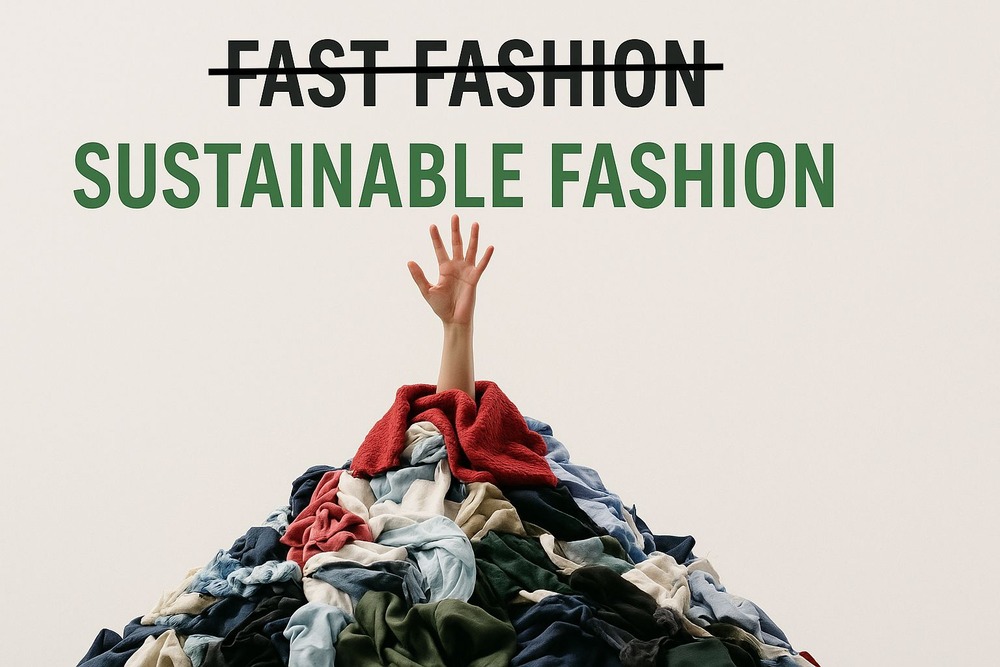
Why sustainable fashion matters
Fashion touches nearly every Sustainable Development Goal — agriculture, water, energy, climate, employment, gender equality, education, biodiversity, innovation, and responsible consumption. Every year, billions of garments are produced, worn for increasingly shorter periods, and discarded. The result:
Excessive freshwater consumption
High greenhouse gas emissions
Growing textile waste
Plastic pollution from synthetic fibres
Chemical contamination of rivers
Pressure on biodiversity
Loss of traditional craftsmanship
Unsustainable consumption patterns
Yet fashion also has the power to become one of humanity's greatest tools for positive change. Every conscious choice — from fibre selection to garment care — helps reduce environmental impact while creating opportunities for communities, artisans, designers, entrepreneurs, and future generations.
The hidden journey of every garment
A garment begins long before it reaches a wardrobe. At every stage, resources are consumed and emissions are generated. Sustainable fashion improves each step by reducing waste, conserving water, lowering carbon emissions, protecting workers, and extending the life of every product.
The Journey of a Garment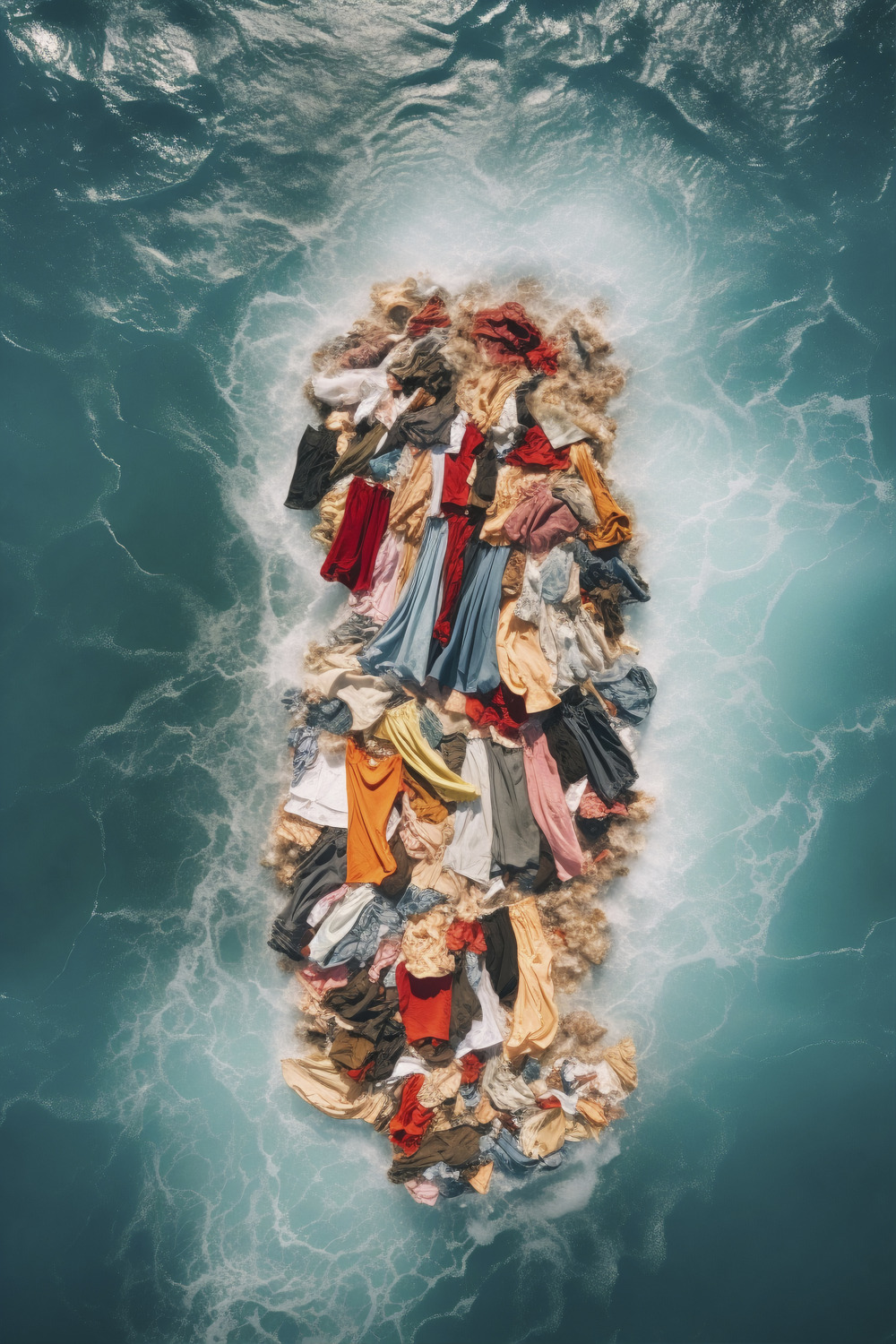
The true cost of common fabrics
Approximate values vary by farming practice, manufacturing technology, energy source, and geography — but they illustrate the relative impact of different fibres.
| Fabric | Water Footprint | Carbon (kg CO₂e/kg) | Microplastic Risk | Key Considerations |
|---|---|---|---|---|
| Conventional Cotton | ≈10,000–20,000 L/kg | 5–8 | None | High irrigation demand, pesticide exposure, fertiliser runoff, soil degradation. |
| Organic Cotton | ≈8,000–15,000 L/kg | 2–5 | None | Reduced synthetic chemicals, healthier soils, safer farming, improved biodiversity. |
| Linen (Flax) | ≈650–1,000 L/kg | 1.5–3 | None | Naturally resilient crop, relatively low water demand, fewer inputs. |
| Hemp | ≈300–500 L/kg | 1–2 | None | Fast-growing, carbon-efficient, improves soil health, minimal pesticides. |
| Lyocell (TENCEL™-type) | Low | 2–4 | None | Closed-loop manufacturing recovers most solvents. |
| Bamboo (Mechanical) | Low | 2–4 | None | Low agricultural inputs; depends on responsible processing. |
| Bamboo Viscose | Moderate | 4–7 | None | Chemical processing requires careful solvent recovery. |
| Virgin Polyester | Low | 9–14 | Very High | Fossil-fuel based, sheds microplastics, persists for centuries. |
| Recycled Polyester | Very Low | 3–6 | High | Lower emissions than virgin polyester, still sheds microfibres. |
| Nylon | Low | 15–20 | Very High | Energy-intensive, fossil-fuel derived, long-term pollution. |
| Acrylic | Low | 16–22 | Extremely High | Highest microplastic-shedding fibre, difficult to recycle. |
| Wool | Moderate | 20–40 | None | Renewable, biodegradable; impact varies with grazing and land use. |
| Silk | Moderate | 10–15 | None | Natural, biodegradable, resource- and labour-intensive to produce. |
The invisible pollution we cannot see
Synthetic fabrics — polyester, acrylic, nylon, and elastane — shed microscopic plastic fibres whenever they're washed, even during everyday wear. These particles travel through wastewater into rivers, lakes, oceans, agricultural soils, and the atmosphere.
Researchers have detected microplastics in marine life, drinking water, food, indoor air, and human tissue.
Choosing durable garments, washing less frequently, using fibre-catching laundry filters, and supporting circular textile systems can all help reduce this pollution.
Fashion and human well-being
The environmental footprint of fashion is closely linked to human health and livelihoods. Sustainable fashion seeks to protect every person connected to a garment — from the field to the factory, from the artisan to the consumer.
Farmers
Unsustainable agricultural practices can mean intensive pesticide and fertiliser use, raising occupational risks and degrading soil and water resources.
Textile Workers
Without strong safety measures, workers may face exposure to dyes, solvents, finishing chemicals, and airborne pollutants during processing.
Consumers
Some finishes and synthetic fibres can contribute to chemical exposure or shed microscopic fibres during everyday use. Certified, responsibly produced textiles help reduce this risk.
Communities
Untreated wastewater, polluted rivers, and poor waste management affect drinking water, agriculture, fisheries, and public health nearby.
Fashion and climate change
Every new garment requires energy for cultivation, processing, manufacturing, packaging, and transportation. When clothing is discarded prematurely:
- Valuable resources are lost.
- New raw materials must be extracted.
- Additional water and energy are consumed.
- Greenhouse gas emissions continue to rise.
- Landfills expand.
- Synthetic fibres remain in the environment for decades — even centuries.
Extending the life of clothing through repair, resale, reuse, rental, and recycling is one of the simplest and most effective ways to reduce fashion's climate impact.
Circular fashion: designing out waste
The future of fashion is circular. Instead of —
The Old ModelCircular fashion embraces —
The Circular ModelA circular wardrobe values longevity over disposability, and creativity over waste. Every repaired seam, every upcycled garment, and every recycled fibre helps conserve resources while creating new economic opportunities.
The Cahoots International ecosystem
Creating sustainable fashion takes more than awareness — it takes collaboration. Cahoots International brings together designers, artisans, educators, entrepreneurs, institutions, youth, industries, and communities to build a circular, inclusive fashion ecosystem.
Threads of Change
A movement transforming textile waste into opportunity through upcycling, circular design, educational partnerships, innovation challenges, research, exhibitions, and sustainable entrepreneurship.
ETERNA
A premium platform proving sustainable fashion can be luxurious, elegant, and commercially successful — championing organic fibres, Khadi, responsible entrepreneurs, and zero-waste design.
MERAKI
Celebrating sustainable living through artisan communities, circular lifestyles, organic fibres, upcycled wear circulation, recycling initiatives, and community-led environmental action.
Miss Union Territories
Using the influence of pageantry to advocate for sustainable fashion, cultural heritage, environmental stewardship, and responsible lifestyles.
Mr. & Miss Teen Union Territories
Empowering young leaders with knowledge of climate action, circular fashion, sustainability, leadership, and social responsibility to inspire lifelong change.
Together, these initiatives transform awareness into action, and individual choices into collective impact.
Choosing fashion that gives back
Every purchase is a decision. Every fibre is a responsibility. Every wardrobe is an opportunity to shape a better future. Choose garments that —
Last longer
Use responsibly sourced fibres
Support ethical production
Protect artisans and workers
Minimise water use
Reduce carbon emissions
Avoid unnecessary plastic pollution
Can be repaired, reused, or recycled
Fashion should never come at the expense of people or the planet.
Aligning with the UN Sustainable Development Goals 2030
The 2030 Agenda for Sustainable Development recognises that protecting our planet requires collaboration across governments, businesses, educational institutions, civil society, and communities.
At Cahoots International, sustainable fashion is more than an environmental initiative — it's a driver of social inclusion, economic opportunity, cultural preservation, and climate resilience, contributing directly to multiple UN Sustainable Development Goals through Threads of Change, ETERNA, MERAKI, Miss Union Territories, and Mr. & Miss Teen Union Territories.
Water Saved
Litres of water conserved through sustainable textiles.
Carbon Reduced
Tonnes of CO₂e emissions avoided.
Textile Waste Diverted
Kilograms/tonnes upcycled or recycled.
Artisan Empowerment
Number of artisans and entrepreneurs supported.
Youth Engagement
Students and young leaders trained.
Women Leadership
Women participating in entrepreneurship and leadership programmes.
Circular Communities
Community projects and zero-waste initiatives implemented.
Partnerships
Institutions, brands, NGOs, and government collaborations.
The future of fashion belongs to those who create with purpose.
Whether you're a designer, artisan, entrepreneur, student, educator, policymaker, brand, or conscious consumer — you're part of this transformation.
At Cahoots International, we're building a future where sustainable fashion isn't a niche — it's the global standard. Where innovation respects nature. Where tradition inspires the future. Where beauty creates impact. Where every thread strengthens communities, and every choice protects our shared home.